

Stop Kicking the heavy bag wrong
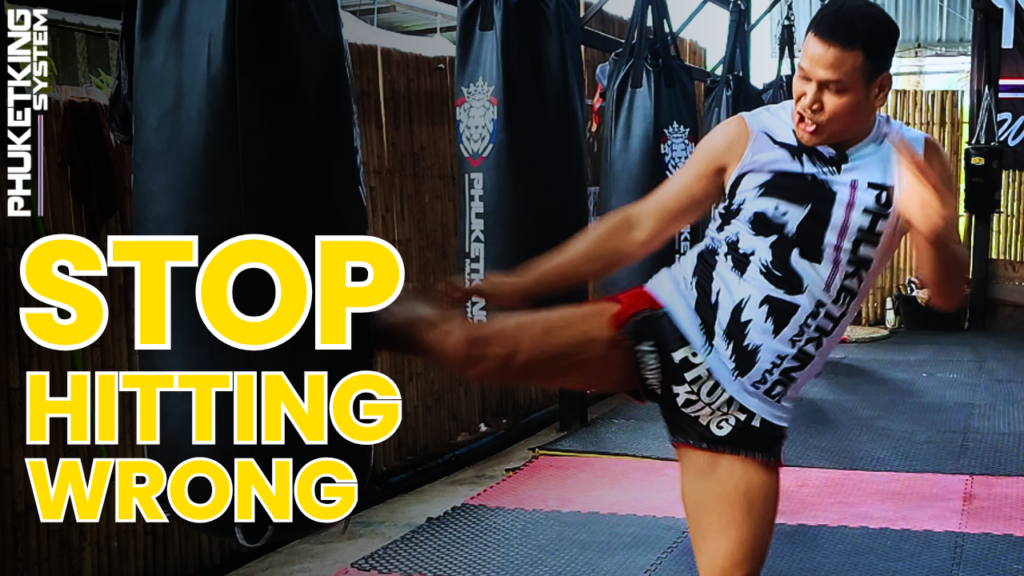
Heavy Bag Training for Beginners: Master the Basics Before You Get Hurt
Heavy bag training is an art in itself. Many gyms don't actually teach it correctly, and honestly, many coaches don't either. You learn at a Muay Thai gym, they show you some techniques, you do pad work, and then they tell you to go hit the bags. But we often see people hitting bags with no real clear aim, no technique, and it becomes very ineffective.
This guide shows you how to hit the bag properly. We're going to start with one of the most complex and most iconic Muay Thai strikes: the roundhouse kick. And why? Because if you kick the bag incorrectly, you don't just waste your time and progress slowly. You also risk real injury.
Why Kicking Technique Matters: The Real Risks
Watch this breakdown of the most common kicking error:
[Video: Stop Kicking the heavy bag wrong! - PhuketKing]
The heavy bag is heavy. If you kick it incorrectly, not only will you not progress and your technique will be slow and sloppy, but you stand a real risk of injury. We're not just talking about minor soreness. Improper kicking can lead to:
- Twisted ankles
- Swollen feet
- Overextended ankle joints
- Damaged standing knee and hips
This happens more often than you'd think. The good news: understanding the concept and learning proper technique prevents all of it.
The Core Principles of Proper Heavy Bag Training
1. Stance and Balance: The Foundation for Everything
Before you strike, you need a solid foundation. Start by getting nice and comfortable with your stance. Let the bag swing back and forth. Watch its rhythm. As the bag comes in, that's when you strike.
Your stance should feel natural, not rigid. Your hands should be up in a defensive position at all times. As you kick, keep your hands up to protect your head. The hand on the same side as your kick should fall slightly as you rotate, helping you generate full rotation through your body.
This comfort with your stance is what allows technique to flow. Don't overcomplicate it, but don't skip it either. This is where everything starts.
2. Technique is King. Speed and Power Come Later.
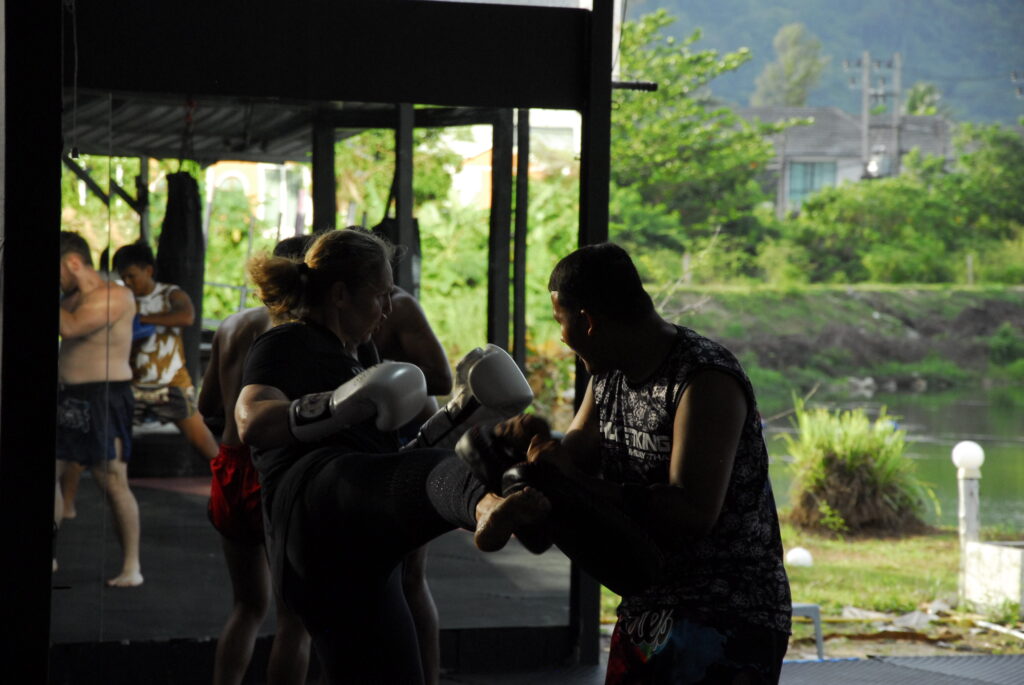
This is the most important principle. Technique is king. Don't overextend. Don't rush to throw hard.
Most beginners make the mistake of trying to generate power before they've mastered the movement. This is backwards. Here's the correct order:
- Perfect your technique slowly
- Add speed as you get comfortable
- Power will naturally follow as you combine speed with proper form
Power comes from mass and speed together. Right now, ignore power. Focus on getting comfortable with the movement, the rotation, the stance, and the timing of when to strike. As you improve and progress, you'll naturally get faster. The power will come.
The heavy bag doesn't lie to you like a training partner might. If your technique is sloppy, you'll feel it. If you're overextending, you'll pay for it with injury. So respect the process and slow down.
3. The Roundhouse Kick: Rotation and Energy Transfer
The roundhouse kick is one of the most iconic and effective Muay Thai strikes. It's also one of the most dangerous to perform incorrectly on a heavy bag. Here's the proper way.
The Rotation: Your standing foot should rotate about 90 to 180 degrees. Your hips should rotate the same amount. You're not kicking straight up. You're kicking up and around and a little bit forward. The power comes from this rotation, not from your leg.
The Whip Concept: Think of your leg as a whip, not as a baseball bat. There's no power in the leg itself until it actually hits the bag. Your leg is loose, controlled, but not rigid. When your leg makes contact with the bag, that's when you tighten up everything and allow the energy to transfer to the bag.
What Not to Do: Don't overextend. Don't throw hard and fast before you master the technique. Beginners who ignore this get twisted ankles, swollen feet, and overextended joints. Your training partner can adjust for your mistakes. The bag cannot. So respect it by slowing down and perfecting the technique first.
4. Breathing and Pacing
Most beginners hold their breath. This tires you faster and reduces power output.
Proper heavy bag breathing:
- Exhale sharply with each strike (jab, cross, kick)
- Inhale when resetting between combinations
- Maintain a steady rhythm, not gasping
Pacing strategy for beginners:
- 3 rounds of 3 minutes (with 1-minute rest) is a solid start
- Go 50% intensity. You're building technique, not trying to KO the bag
- As you improve, gradually increase intensity and duration
5. Recovery and Smart Training
Heavy bag work is intense. Recovery is where the magic happens.
- Rest days matter: Don't hit the bag hard more than 3-4 times per week
- Wrist wraps are essential: They protect your wrists and prevent cumulative injury
- Hand padding: Use proper hand wraps or gloves (16oz gloves for beginners is standard)
- Stretch after: Shoulders, hips, and legs take the most impact
- Listen to pain: Soreness is normal; sharp pain is not
Common Beginner Injuries (And How to Prevent Them)
Wrist Strain
Cause: Improper punch alignment; your wrist isn't supported. Prevention: Wrap your hands correctly. Your wrist should stay neutral throughout the punch.
Shoulder Impingement
Cause: Throwing wild hooks or bringing elbows too high. Prevention: Keep elbows at 45 degrees, not flared out. Build rotator cuff strength with light band work 2-3 times weekly.
Knee Pain
Cause: Kicking with a locked knee or pivoting incorrectly. Prevention: Always bend your supporting leg. Rotate from the hip, not the knee.
Ankle Rolls
Cause: Poor footwork or rushing combinations. Prevention: Focus on controlled movement over speed. Wear proper boxing shoes if possible.
Your First Week: A Sample Routine
Day 1: Basic Punching
- Warm-up: 2 minutes light jab practice
- 3 rounds of jab-cross-jab combinations
- Rest 1 minute between rounds
- Cool-down: shoulder stretches
Day 2: Rest or Light Cardio
Day 3: Punching + Light Kicks
- Warm-up: hand and wrist circles
- Round 1: jab-cross combinations
- Round 2: add 3 front kicks per side
- Round 3: mixed combinations
- Cool-down: full body stretch
Day 4: Rest
Day 5: Mixed Combinations
- Warm-up: shadowbox (no bag)
- 3 rounds of jab-cross-hook with occasional kicks
- Focus on form over power
- Cool-down: hip flexor and hamstring stretches
Days 6-7: Rest
This gives you two quality training days while prioritizing recovery.
Gear You Actually Need
- Hand wraps: Non-negotiable. They support your wrists and knuckles.
- Gloves: 16oz for beginners; heavier gloves reduce hand speed but are easier on joints
- Heavy bag: 70-100 lbs is standard; start lighter if you're small
- Wrapping instructions: Watch a tutorial. Bad wraps undo all your protection
- Boxing shoes (optional): Provide ankle support; regular sneakers work initially
The Mental Game
Heavy bag training isn't just physical. It builds discipline, focus, and stress relief. But beginners often make these mistakes:
- Ego training: Trying to match experienced fighters' intensity on day one
- Ignoring form: Sloppy reps build bad habits that are hard to break
- Skipping fundamentals: The basics never get old. Even pros drill them constantly
Train smart, not hard. Technique first, intensity second.
Thinking of training in Thailand? Then check out our Train and stay options here
Next Steps
After two weeks of consistent training, revisit your form. Film yourself or ask an experienced trainer to critique your technique. Small adjustments compound over time.
Consider finding a boxing gym or coach. Even 2-3 sessions can accelerate your learning curve and prevent injuries that might sideline you.
And if you haven't already, watch that video on proper kicking technique again. One common mistake fixed is the difference between building strength and building injury.
Ready to start? Grab your hand wraps, get to the bag, and focus on form. Your future self will be grateful you didn't rush.
Have questions about heavy bag training? Feel free to contact us here