



If you’re planning to apply for Thailand’s Destination Thailand Visa (DTV), there have been some important changes.
And if you’re already in Thailand and were planning to make a quick trip to somewhere like Laos or Vietnam to submit your application, this is particularly important.
From 31 August 2026, new requirements apply to DTV applications.
There is a little more paperwork involved, but we don’t necessarily see the changes as a bad thing. In fact, as the DTV matures, we think they could ultimately make the whole process clearer and more straightforward for genuine applicants.
You can’t simply apply from any country anymore
This is probably the biggest change.
Previously, it became quite common for people already travelling or staying in Thailand to leave the country and submit their DTV application from a nearby country.
Laos and Vietnam, for example, became popular options.
Under the new requirements, applicants need to submit their application in a country where they are either a citizen or permanent resident, with evidence to support this.
So if you’re currently in Thailand, don’t assume you can simply book a flight to a neighbouring country, stay for a few days and apply for your DTV while you’re there.
Before making any travel arrangements, check where you are actually eligible to apply.
Criminal record checks are now required
There’s another important change.
Applicants are now required to provide a criminal record clearance certificate, more commonly referred to as a police check or police clearance.
The exact name and format of this document will depend on your country. There isn’t one universal “DTV police check”.
Different countries have different authorities and procedures for obtaining criminal record certificates, so you’ll need to find out which official document applies to you.
This is also something worth arranging early. Depending on your country and where you currently are, obtaining the correct police check may take some time.
What does this mean if you’re already in Thailand?
The main thing is simply to plan ahead.
If you’ve been considering a DTV and thought you could sort everything out by making a short trip to Laos, Vietnam or another nearby country, don’t book that trip based on old information.
Check the latest requirements first, you can use our DTV webpage here to see many frequently asked questios
Make sure you know where you’re eligible to submit your application, what evidence of citizenship or permanent residence is required, and what criminal record documentation you’ll need.
A little preparation now could save a lot of wasted time later.
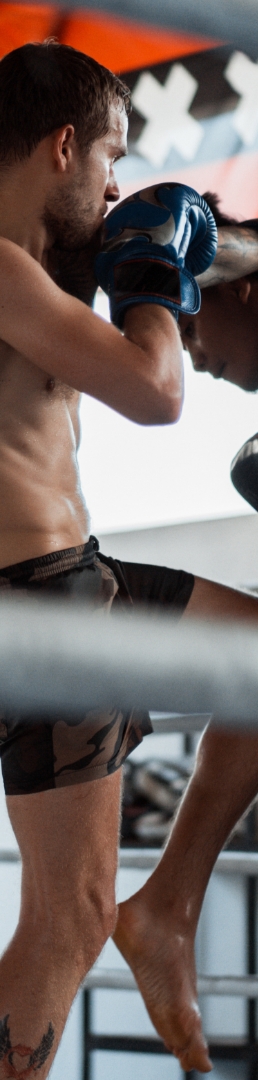
What about a DTV for Muay Thai?
Muay Thai is one of the activities that can form the basis of a DTV application.
At Phuket King Muay Thai, we provide genuine Muay Thai training programmes along with the supporting documentation for customers purchasing an eligible course. Check your options here.
There is an important distinction here though.
We provide Muay Thai training and supporting course documentation. We don’t issue visas.
The decision to approve or refuse a DTV application belongs to the relevant Thai authorities, and every applicant is responsible for meeting the current requirements.
That’s also why we’re publishing updates like this.
We deal with people from all over the world who want to come to Thailand and train Muay Thai, so when something significant changes, we’d rather tell people about it than have somebody discover it after they’ve booked a flight.
Our thoughts on the new DTV rules
Although these changes mean a little more preparation for applicants, we actually think they could be positive in the long run.
The DTV is still relatively new.
Like any new visa programme, there’s going to be a period where the system develops as embassies, applicants and businesses start using it in the real world.
We’ve already seen some of that.
Different embassies can interpret documentation differently. Applicants aren’t always sure what they’re supposed to provide. Gyms and other businesses have also had to learn what supporting documents are expected from them.
As the DTV matures, we’d expect that to improve.
Embassies should become clearer about exactly what they expect to see. Gyms should know exactly what documentation they need to provide. The formats should become more standardised.
And most importantly, you, the applicant, should know what you need before you start the process.
That’s where we think these changes could ultimately help.
Yes, there may be more paperwork involved at the beginning. But if the result is a clearer and more consistent system, the application itself should become more streamlined for genuine applicants.
Instead of sending documents backwards and forwards, wondering whether something will be accepted, or getting different information depending on where you apply, hopefully everybody involved starts working from the same playbook.
For us, that’s a good thing.
We want somebody coming to Thailand to train Muay Thai to know what they need, submit the correct documents the first time and have as straightforward an experience as possible.
The DTV is maturing
We don’t see these changes as the end of the DTV or something people should panic about.
We see them as part of a relatively new visa programme beginning to mature.
There will probably continue to be adjustments as the system develops, which is why it’s important to check the current requirements rather than relying on information from six months or a year ago.
If you’re applying, always check the latest requirements of the Thai embassy or consulate responsible for your particular application before paying for flights or making travel arrangements.
We’ll continue to share important DTV updates when they affect people coming to Thailand for Muay Thai.
And if you’re interested in training at Phuket King and want to know about our DTV-eligible Muay Thai programmes, you can see our dedicated DTV webpage here, or get in touch. We can explain the training programme and documentation we provide, so you know exactly what to expect from our side of the process.
Phuket King Muay Thai, not just another gym
‘Work hard, fight easy’
